

Spice export certificates, licences and test limits.
The registrations we hold, the documents that ship with every container, and what each spice is tested for. We send copies on request.
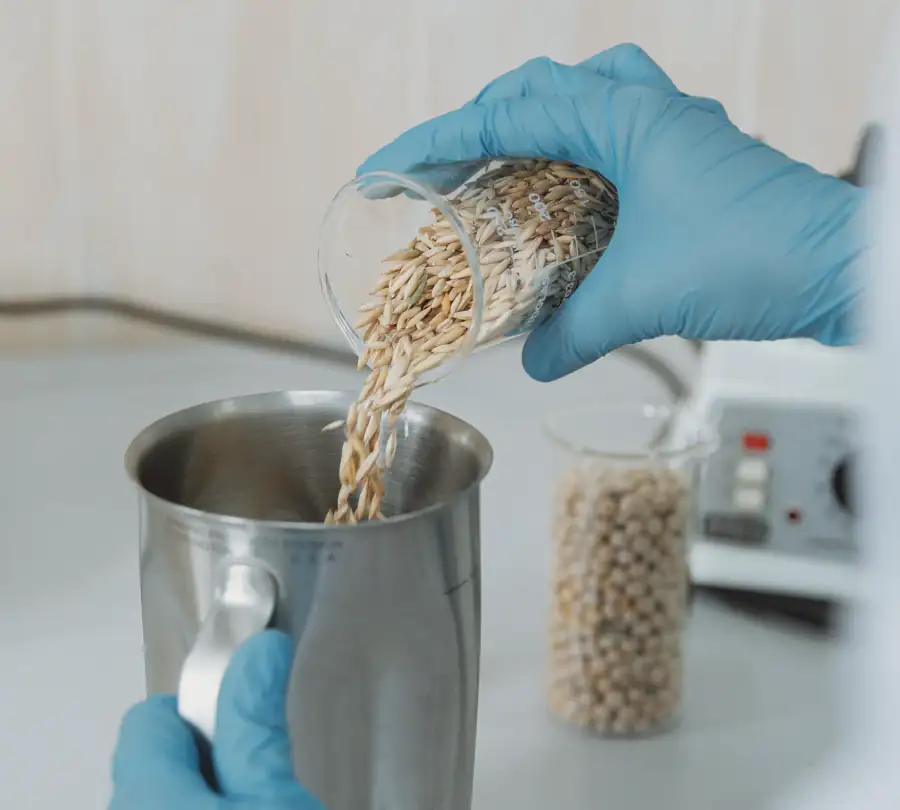
Our registrations in India.
- FSSAI Central Licence
13326999000642
Issued by FSSAI Delhi. Valid to 25 August 2027. Category: Exporter.
- Importer-Exporter Code (IEC)
BOBPJ5730E
Issued by DGFT, CLA Delhi.
- GSTIN
07BOBPJ5730E1ZA
Goods and Services Tax registration, Delhi.
Copies are sent on request.
What each country asks for at the border.
| Market | Required standards | Organic scheme |
|---|---|---|
| EU (Germany, Netherlands, France, Italy, Spain, Belgium, Poland, Sweden)Germany and Netherlands and Italy | Regulation (EU) 2019/1793, as amended by 2026/194 and 2026/1206 | EU Organic Reg. (EU) 2018/848, via an EU-recognised control body |
| United Kingdom | FSA assimilated Reg. 2019/1793 regime | GB Certificate of Inspection |
| USA | FDA import rules + Import Alert 28-02 (black pepper) | USDA NOP |
| Japan | MHLW Positive List System | JAS |
| Canada | CFIA food-safety oversight | Canada Organic Regime (COR) |
| UAE, Saudi Arabia, Kuwait, Oman, Qatar, BahrainUnited Arab Emirates and Saudi Arabia and Kuwait and Oman | GSO 193:2021 + GSO 382:2021 pesticide residue limits | No organic scheme required |
| Mexico | SENASICA phytosanitary import certificate; NOM-051 for retail packs | Not listed |
| Azerbaijan | AFSA phytosanitary rules; certificate in English or Russian | Not listed |
| Iran | Import Order registration and ministry approvals; Persian labels | Not listed |
| China | 2025 MARA pesticide rules | CNCA (no NPOP equivalence) |
| Malaysia | Heightened aflatoxin, heavy-metal and pesticide monitoring since 2024 | myOrganic |
| Indonesia | BPOM Shipment-Specific Certificate; Halal mandatory from October 2026 | SNI Organik |
| Australia | DAFF Biosecurity Act / BICON | Australian Certified Organic |
| South Korea | Positive List System + Inspection Order compliance | Environment-Friendly |
| Bangladesh, Sri Lanka, Nepal | BSTI, SLSI-CIIS, DFTQC | No organic import scheme |
The organic scheme column shows what a market requires for a lot sold as organic. It is buyer information, not a certificate we hold.
Every container leaves with these five documents.
- Phytosanitary certificate
- Certificate of origin
- Certificate of analysis
- FSSAI licence
- IEC
Each spice also ships with test certificates for the checks that matter most where it is going.
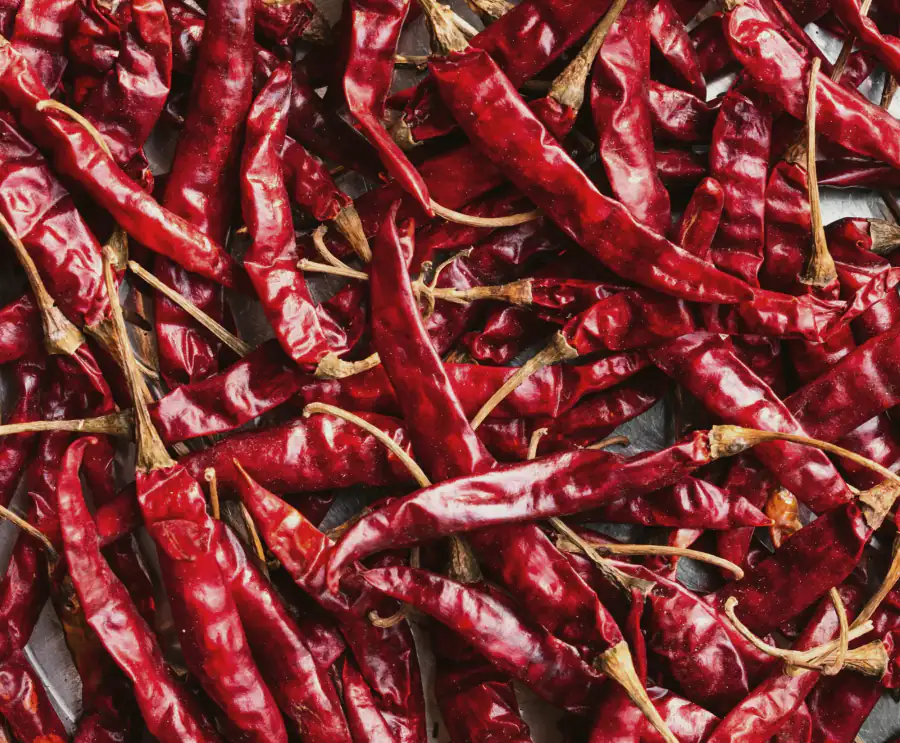
Chillies
Aflatoxin test certificate
Sudan dye I to IV (colour adulterant) test certificate
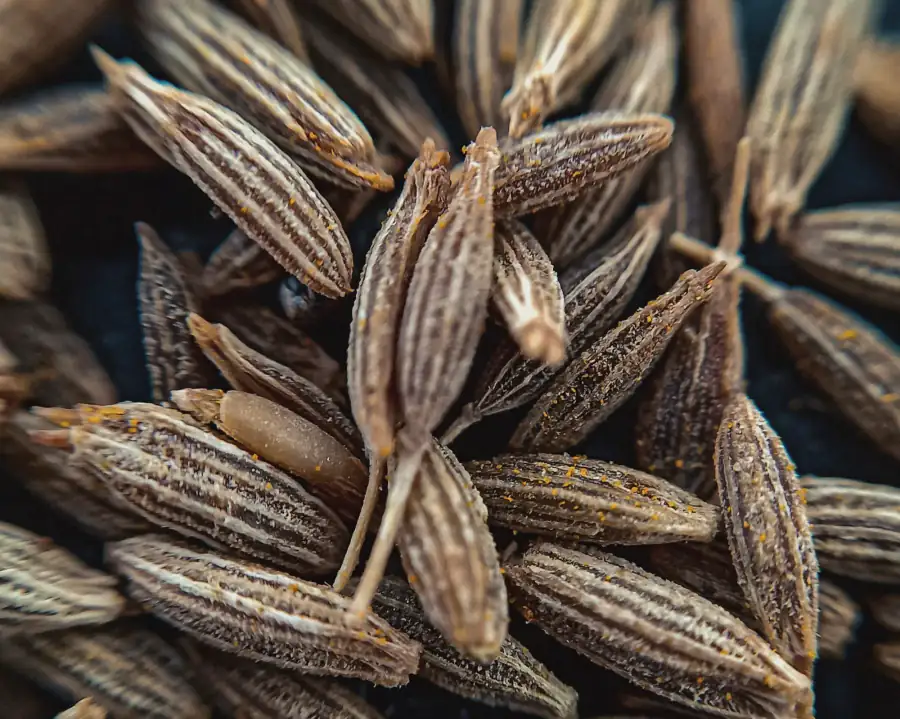
Cumin
Ethylene oxide test certificate
Salmonella test certificate
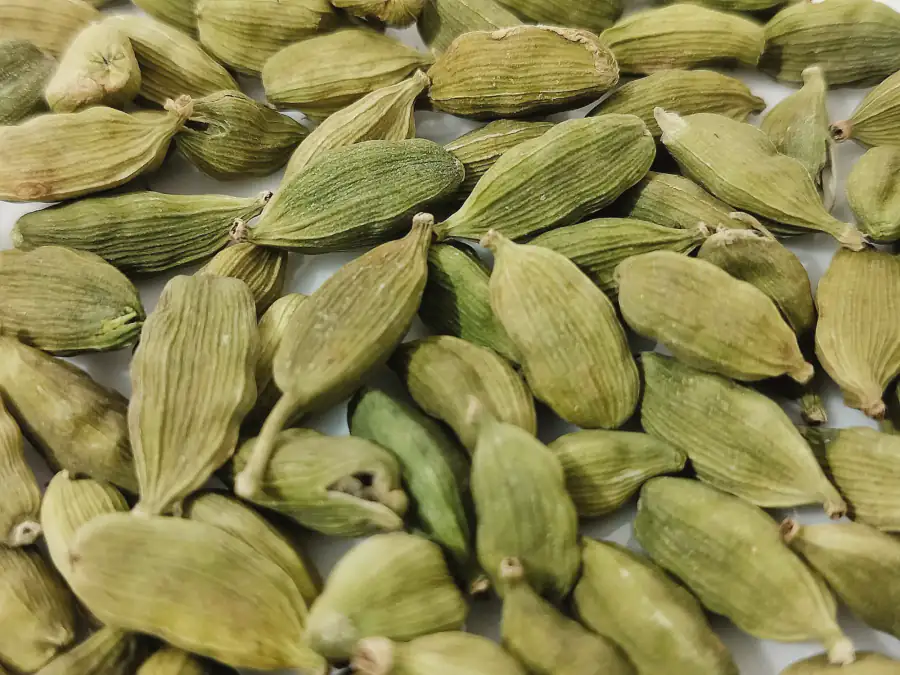
Cardamom
Aflatoxin test certificate
Essential-oil-content CoA
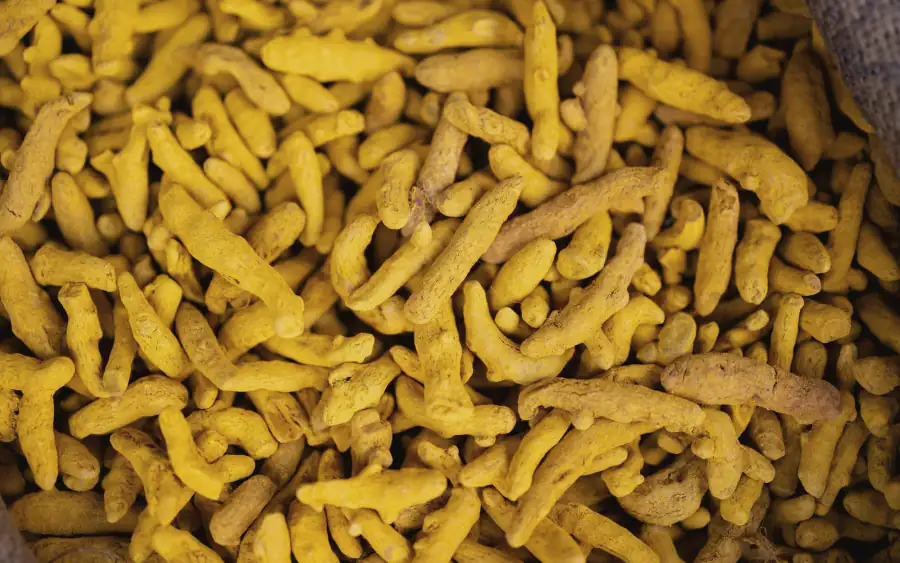
Turmeric
Lead and heavy-metal test certificate
Curcumin-content CoA
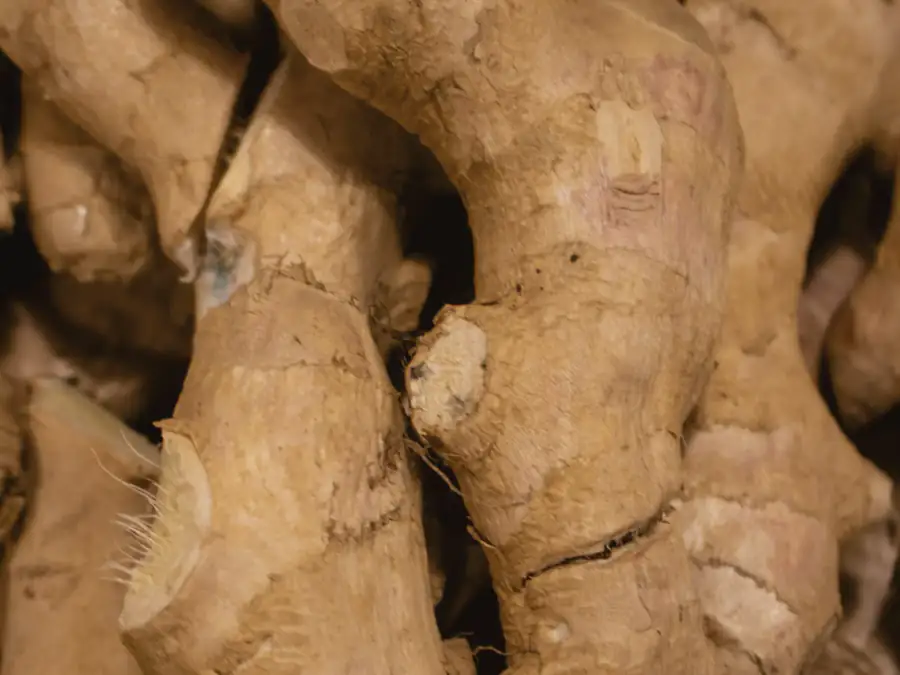
Ginger
Lead and heavy-metal test certificate
Pesticide-residue panel
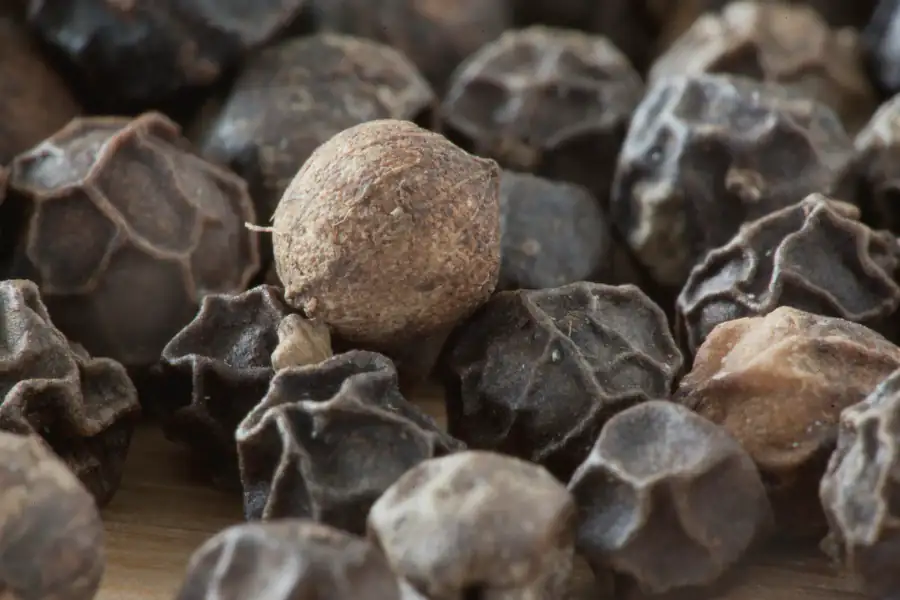
Black pepper
Salmonella test certificate
Moisture and bulk-density CoA
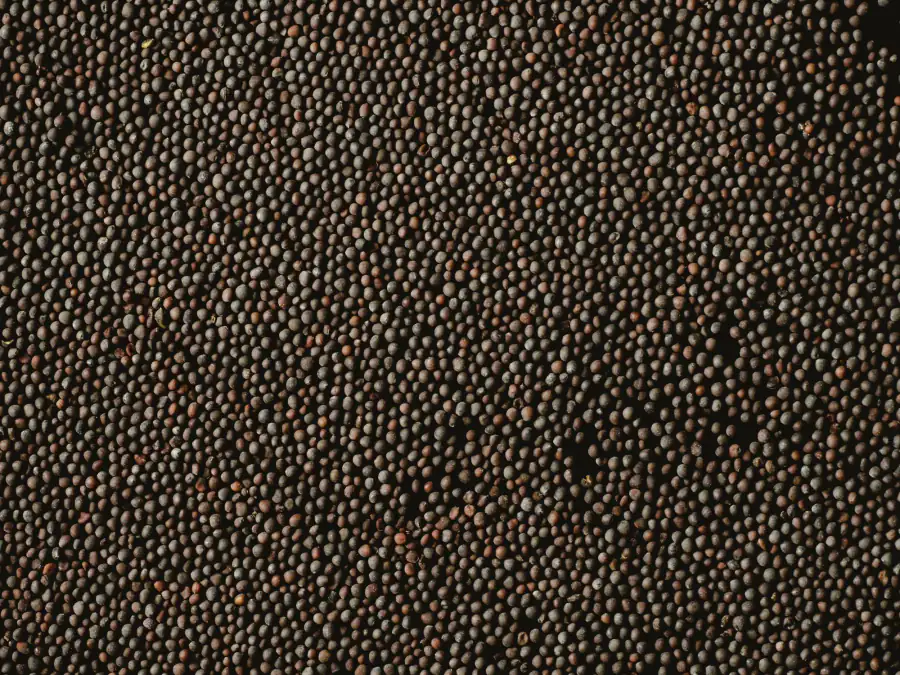
Seed spices
Ethylene oxide test certificate
Salmonella test certificate
Rejection parameter and benchmark limit by spice
Each spice has one parameter that gets lots rejected more often than any other. We test every lot against the limit in the buyer's national standard, and that limit goes into the contract before we pack.
| Spice | Parameter | Benchmark limit |
|---|---|---|
| Chillies | Aflatoxin | Total ≤10 µg/kg (AFB1 ≤5 µg/kg) |
| Cumin | Ethylene oxide | ≤0.1 mg/kg |
| Cardamom | Aflatoxin | Total ≤10 µg/kg (AFB1 ≤5 µg/kg) |
| Turmeric | Lead | ≤2.0 mg/kg (FDA) |
| Ginger | Lead | ≤2.0 mg/kg (FDA reference) |
| Black pepper | Salmonella | Absent in 25 g |
| Moisture | ≤12% | |
| Seed spices | Ethylene oxide | ≤0.1 mg/kg |
| Salmonella | Absent in 25 g |
These are benchmark figures from the EU, Codex and the FDA. The legal limit depends on the destination, so we take the exact figure from the buyer's current national standard and write it into the contract.
Ask for copies of the certificates your QA team needs on file.
Name the certificates and your destination. We send current copies with the quote.