Why Indian spice shipments get rejected at the border, and how to stop it
By Sahibzada Yamin Yaqoob, Export desk, Prime Harvest GlobalPublished
A rejected container is expensive in ways that do not show up on the invoice. There is demurrage, the cost of re-export or destruction, the gap on your shelf, and the conversation with your own customer. For spices from India, the cause is usually one of four tests, and in most cases the problem could have been caught before the lot was packed.
This post covers what those four tests are, why each spice fails the one it fails, and what the main destination markets check.
Why the checks got stricter
Indian spices have been under closer watch since September 2020, when EU checks found very high levels of ethylene oxide in Indian sesame seed. In April 2024, regulators in Hong Kong and Singapore pulled some Indian spice mixes from sale over the same fumigant, and Nepal followed. Since then, buyers and border officers in the EU, the UK, Singapore and Malaysia have looked harder at spices from India, and the EU, the UK and South Korea check Indian shipments more often.
At the EU border today, 20% of Indian chilli consignments are checked for ethylene oxide under Regulation (EU) 2019/1793. That is one in five.
The four tests
Each spice has one parameter that gets lots rejected more often than any other. These are the benchmark limits we work to, drawn mainly from EU law and common buyer specs:
| Spice | Rejection parameter | Benchmark limit |
|---|---|---|
| Chillies | Aflatoxin | Total 10 µg/kg (AFB1 5 µg/kg) |
| Cardamom | Aflatoxin | Total 10 µg/kg (AFB1 5 µg/kg) |
| Cumin | Ethylene oxide | 0.1 mg/kg |
| Seed spices | Ethylene oxide; Salmonella | 0.1 mg/kg; absent in 25 g |
| Turmeric | Lead | 1.50 mg/kg (EU) |
| Ginger | Lead and heavy metals | 1.50 mg/kg (EU) |
| Black pepper | Salmonella; moisture | Absent in 25 g; 12% max |
The legal limit depends on the destination, so treat this table as a starting point and take the exact figure from your own country's standard.
Aflatoxin: chilli and cardamom
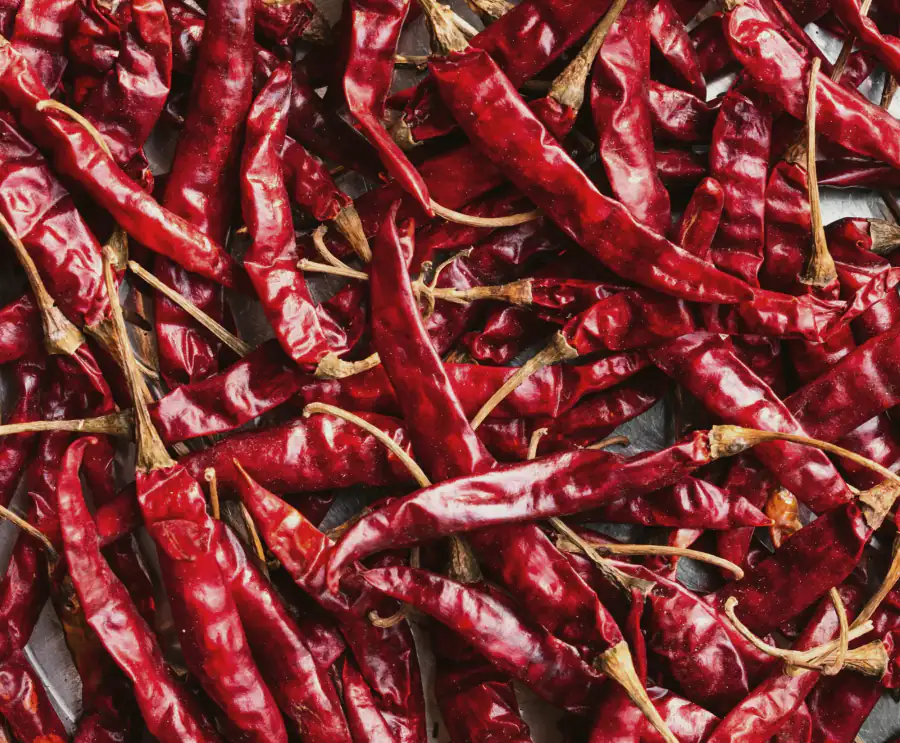
Aflatoxin is made by moulds. Chillies pick it up when they dry slowly in heat and humidity, or when they are stored damp. Cardamom is cured and stored after harvest, and any moisture left in the pods gives mould a chance to grow. For chillies going into the EU, the border also checks ochratoxin A, with a limit of 20 µg/kg.
Prevention starts at the farm, with fast, even drying and dry storage, and ends at the lab, with every lot tested before it goes into bags. If you are still choosing a chilli, our chilli grades guide covers the testing for each grade.
Ethylene oxide: cumin and seed spices
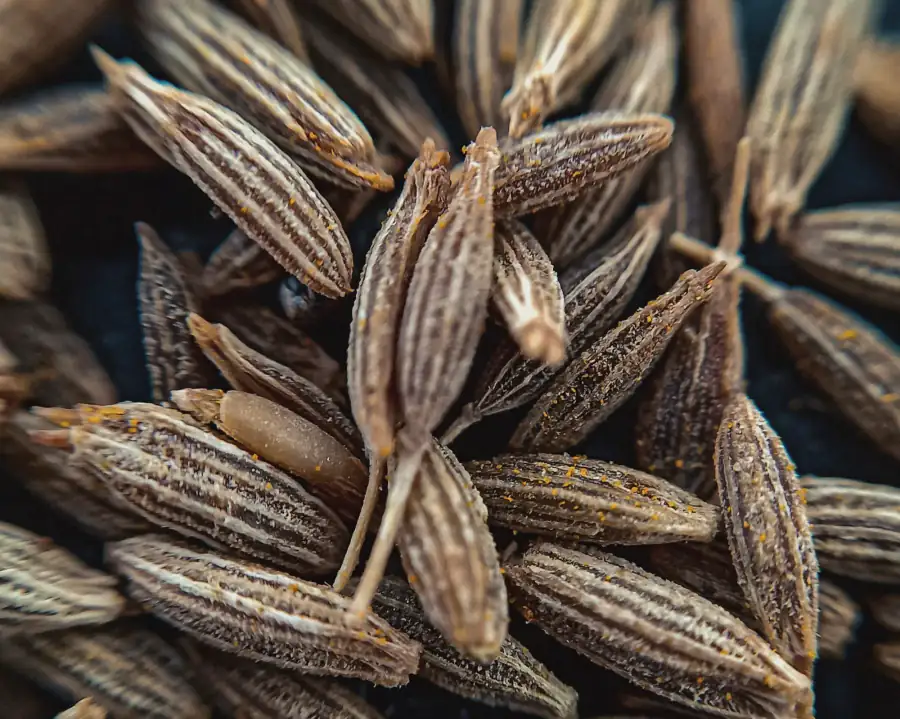
Ethylene oxide is a gas fumigant. It brings microbial counts down fast, which tempts suppliers who are short on time or on clean handling. The EU limit for spices is 0.1 mg/kg, counted as the sum of ethylene oxide and 2-chloroethanol. Japan applies 0.01 mg/kg, ten times tighter.
If a supplier is relying on fumigation to pass a microbial spec, the residue test will find it. Clean handling, and steam treatment where it is needed, are the alternatives, and they have to be in place before the crop reaches the warehouse. We test every cumin and seed spice lot for it before packing. Cumin buyers weighing origins can read how Indian cumin compares with Turkish and Iranian.
Lead: turmeric and ginger
Lead gets into turmeric when lead chromate is added to brighten the colour. The fraud is common enough that the EU named it when it set lead limits for spices in 2021. Ginger is a different case: it is a root, so it takes up whatever is in the soil.
The EU limit for both, as dried root and rhizome spices, is 1.50 mg/kg under Regulation (EU) 2023/915. The FDA has not set a lead limit for spices, so US buyers usually write their own figure into the spec. Agree that figure before the sample stage, not after.
Contract farming helps here more than anywhere. When the turmeric comes straight from our growers in Salem and Erode to our own units, nobody in between has a reason to touch the colour.
Salmonella: black pepper
Pepper is often dried in the open, on the ground, where it can pick up Salmonella. Pepper above 12% moisture can also grow mould in the container on the way. Indian black pepper entering the USA falls under FDA Import Alert 28-02, in place since 1987, and shipments can be held without examination unless they carry a certificate from India's Export Inspection Council (EIC).
Same spice, different border
This is the part most buyers underestimate. The test that matters depends on where the lot is going.
| Destination | Rules | What to know |
|---|---|---|
| USA | FDA import rules; Import Alert 28-02 | Pepper tested for Salmonella; no federal lead limit for spices, so set one in the spec |
| Germany, Netherlands, Italy | Reg. (EU) 2019/1793 and its amendments | Listed lots pre-notified on a CHED-D in TRACES NT |
| United Kingdom | FSA assimilated 2019/1793 regime | Chilli, cumin and turmeric on the list for elevated checks |
| Japan | MHLW Positive List System | 0.01 mg/kg for any residue without its own limit |
| UAE, Saudi Arabia, GCC | GSO 193:2021; GSO 382:2021 | Poppy seed banned or restricted in several states |
A supplier who tests everything against one general spec will eventually ship a lot that is fine for one market and wrong for yours. Our market pages set out the rules for each destination we ship to, and the Germany page covers the EU paperwork in detail.
How to stop a rejection before the lot is packed
None of this is complicated. It just has to happen in the right order.
- Put the limit in the contract. Take the exact figure from your country's current standard and write it in, test by test. "Export quality" is not a limit.
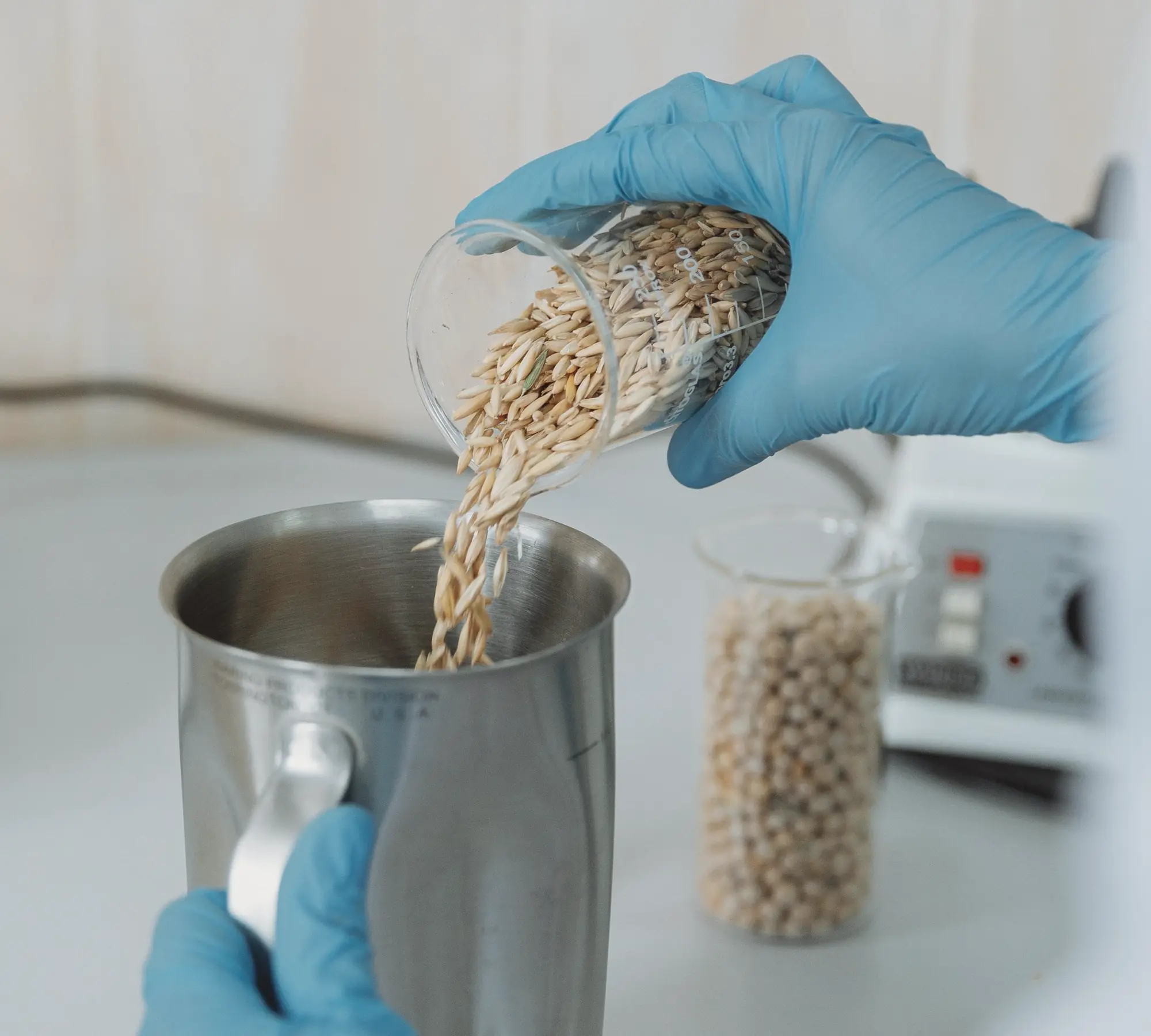
- Test the lot, not just the sample. The sample tells you the grade. The lot test tells you what is actually in your container. Ours is done at a third-party lab accredited by NABL to ISO/IEC 17025, before packing.
- Ship the CoA with the lot. The certificate of analysis for that exact lot should travel with the container, alongside the market papers listed in our import checklist.
- Control the crop. Most of these problems start with drying, storage or a trader trying to rescue a weak lot. Contract farming and your own processing units remove most of that risk.
We run every lot in this order, which is why we can write a limit into the contract and stand behind it.
Quick answers
What is the EU limit for ethylene oxide in spices?
0.1 mg/kg, counted as the sum of ethylene oxide and 2-chloroethanol. Japan applies 0.01 mg/kg.
What is the aflatoxin limit for chillies?
The EU limit is 5 µg/kg for aflatoxin B1 and 10 µg/kg total. The EU also sets 20 µg/kg for ochratoxin A in chillies.
What is the limit for lead in turmeric?
In the EU, 1.50 mg/kg for dried root and rhizome spices, which covers turmeric and ginger. The FDA has not set a lead limit for spices, so US buyers usually write their own figure into the spec.
What is FDA Import Alert 28-02?
It lets the FDA detain black pepper from India without examination unless the shipment carries a certificate from India's Export Inspection Council (EIC). It covers filth and Salmonella.
Can a lot be fine for one country and rejected in another?
Yes. Borders test different things at different limits, which is why the limit should come from your own country's standard.
Check before you order
Pick your spice and your country in our free spec checker to see what the border checks, the limit it sets and the documents your shipment needs. Then send us the spec and we will quote with those limits written in. The full list of tests and registrations is on our certifications page.